
The path that led me here.
I've spent much of my working life moving between worlds - languages, cultures, countries, disciplines, and different ways of trying to understand people.
For a long time, I didn't think of these experiences as connected.
Looking back, I can see that they were.
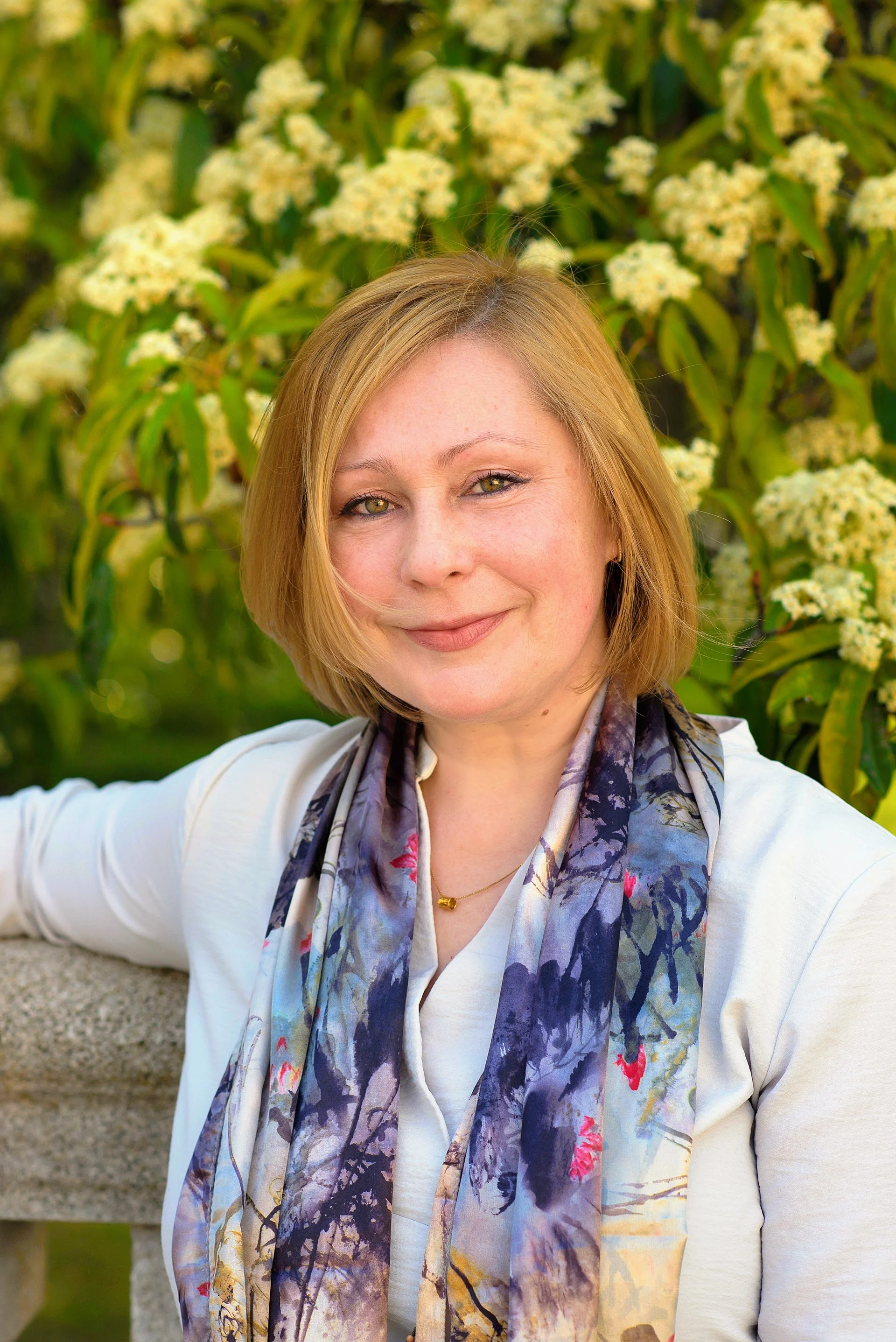
I grew up in Čapljina, in southern Bosnia and Herzegovina, and experienced the war as a 15 year old.
Long before I had the language of psychology to understand what displacement does to a person, I was already learning about belonging, what it means to lose a place, to find yourself somewhere unfamiliar, and to carry questions of identity and home with you.
Before I became a therapist, I worked for years as an interpreter and translator with international institutions, including the EU and the UN. I later moved into international education and programme management.
Those years taught me how to listen carefully across languages and cultures, how to hold complexity without needing to resolve it immediately, and how much can be communicated without ever being said directly.
I didn't know it at the time, but many of those skills would eventually become part of my therapeutic work.
Finding my way into therapy
My professional path moved through coaching, NLP, MBTI, clinical hypnotherapy, Ericksonian hypnotherapy, regression therapy, Life Between Lives Hypnotherapy, Parts Therapy, and transpersonal work.
Each brought a different way of understanding human experience.
But as my work with people became deeper, I found myself returning to questions that techniques alone couldn't answer.
Why do we develop the patterns we do?
Why can we understand something intellectually and still find ourselves doing the same thing?
What gives us the courage to change?
How much of who we become is shaped by our relationships and our need to belong?
And what happens when someone's experience extends beyond what can easily be explained through conventional psychological language?
These questions eventually led me to formal study in Adlerian counselling.
I completed my Master's in Adlerian Counselling at Blanquerna Ramon Llull University, where my thesis explored belonging as a therapeutic and communal process.
I called it Belonging as Medicine.
What I believe about this work
Over the years, I've stopped thinking of my different trainings as separate approaches that I need to choose between. They are different ways of looking at the same human being.
Sometimes we need to understand what is happening in the present.
Sometimes we need to understand where a pattern began.
Sometimes we need to work with the subconscious.
Sometimes we need to listen to the different parts of ourselves that seem to want completely different things.
And sometimes a person's experience raises questions about meaning, consciousness, spirituality, or experiences that don't fit neatly into conventional psychological frameworks.
I don't believe that one method can explain a whole person.
That is why I don't begin with a technique.
I begin with the person.
What I bring into the room
There is a difference between knowing techniques and knowing how to be with another human being.
Qualifications matter. Training matters. Experience matters.
But so do curiosity, presence, humility, discernment, and the ability to recognise when to go deeper and when to slow down.
For me, therapeutic work is built on informed consent, clear boundaries, respect for autonomy, and an ongoing awareness of the responsibility that comes with working with another person's inner world.
The deeper the work becomes, the more care it requires.
I also believe that the practitioner is part of the work.
We don't become neutral observers simply because we have professional training. Our own history, assumptions, unfinished work, and ways of relating inevitably come with us into the room.
That is why I believe personal development and professional development cannot really be separated.
Beyond the therapy room
My work today has several expressions.
I maintain a private counselling and therapeutic practice, where I work one-to-one with people exploring patterns, relationships, transitions, belonging, personal change, and deeper questions about themselves and their lives.
I am also the founder of Nai Do Transpersonal Academy, where I train practitioners in clinical and transpersonal hypnotherapy, regression therapy, Parts Therapy, and advanced transpersonal practice.
Teaching has become an important part of my work because I care deeply about what happens when therapeutic techniques are placed in the hands of practitioners — and about the kind of person we are becoming while we learn to use them.
I also write.
My books Still Here: A Memoir of Belonging and The Good Hypnotherapist explore two different sides of the questions that have followed me throughout my life: what it means to belong, and what it means to do therapeutic work well.
My writing, teaching, and clinical work may look like different things from the outside.
For me, they are part of the same conversation.
How do we understand ourselves more deeply, become more fully ourselves, and still remain connected to the people and the world around us?
That is the question I keep coming back to.
And perhaps it is the question underneath most of my work.
Credentials & Professional Background
Clinical & Therapeutic Practice
Board Certified Clinical Hypnotherapist
Certified Clinical Hypnotherapist & Instructor - Ericksonian Approach
Certified Regression Therapist & Instructor
Certified Parts Therapy Practitioner & Instructor
Certified Life Between Lives® Facilitator - Michael Newton Institute
Quantum Consciousness Facilitator
Certified MBTI® Step I & II Facilitator (Personality Assessment)
NLP Master Practitioner
Certified Life, Executive & Teams Coach
Academic Background
MA in Adlerian Counselling, Blanquerna Ramon Llull University
Thesis: Belonging as MedicineMA in Linguistics - German & Croatian Language and Literature
Professional Roles
Founder & Lead Instructor, Nai Do Transpersonal Academy
IACT Member & Master Trainer
Michael Newton Institute Career Partner
Author, The Good Hypnotherapist and Still Here: A Memoir of Belonging
Founder, Tatia Press